Vol. I · Updated April 2026 · 🇺🇸 United States
The Austin Edit
Best Lymphatic Drainage in Austin 2026.
17 practitioners in Austin — ranked by Google rating. Typical price: $80 – $150 per session · varies by therapist.
Also known as: lymphatic drainage · manual lymphatic drainage (MLD) · lymphatic massage · post-surgery drainage · Vodder method · Leduc method · pressotherapy · endermologie · lymphedema treatment · body contouring massage · post-op massage · decongestive therapy · lymph drainage therapy
Editor’s PickOur top practitioner in Austin
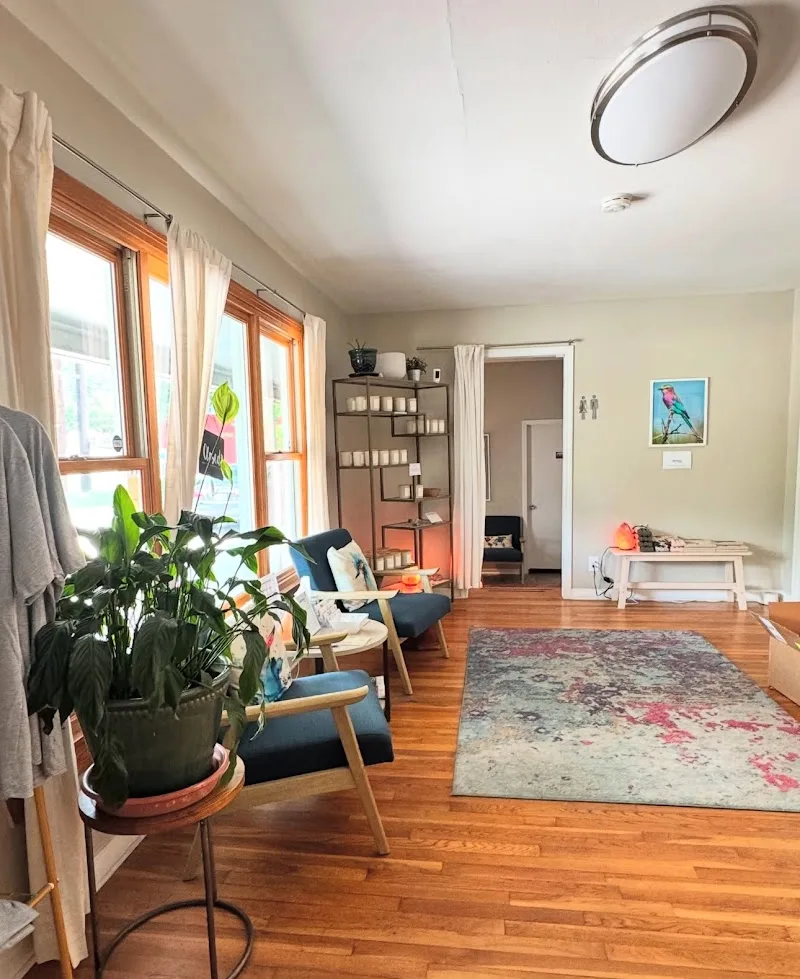 Editor’s Pick
This month in Austin
Sage Blossom Massage
Austin
"A dedicated space. Certified, quietly excellent."
4.9★
761 reviews
Source
Source
#1
in Austin
The Austin listOrdered by rating, featured first
Lymphatic Drainage studios in Austin
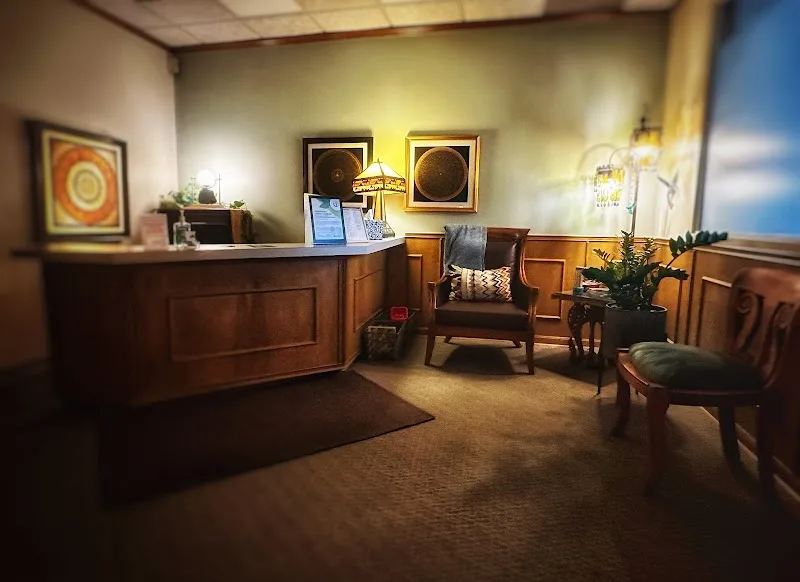
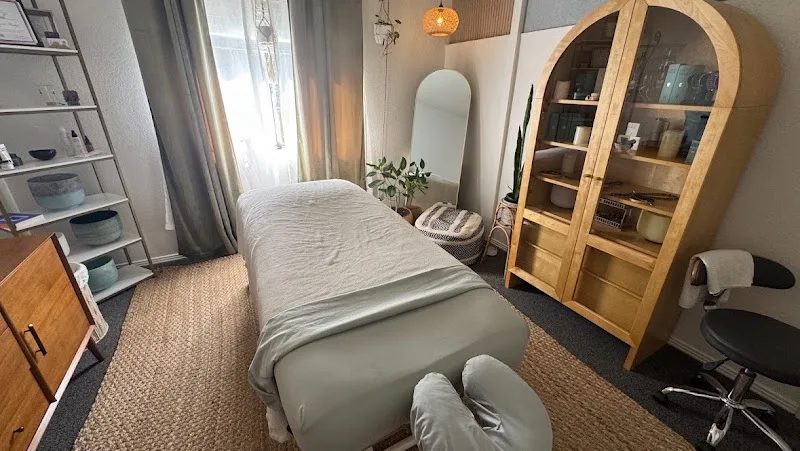
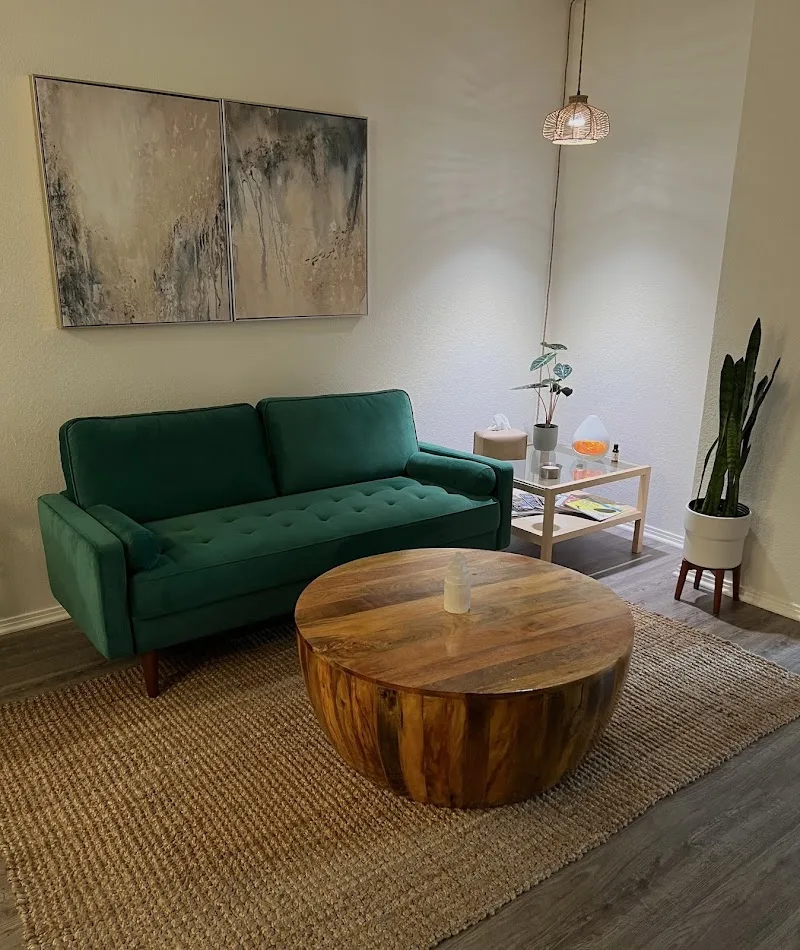
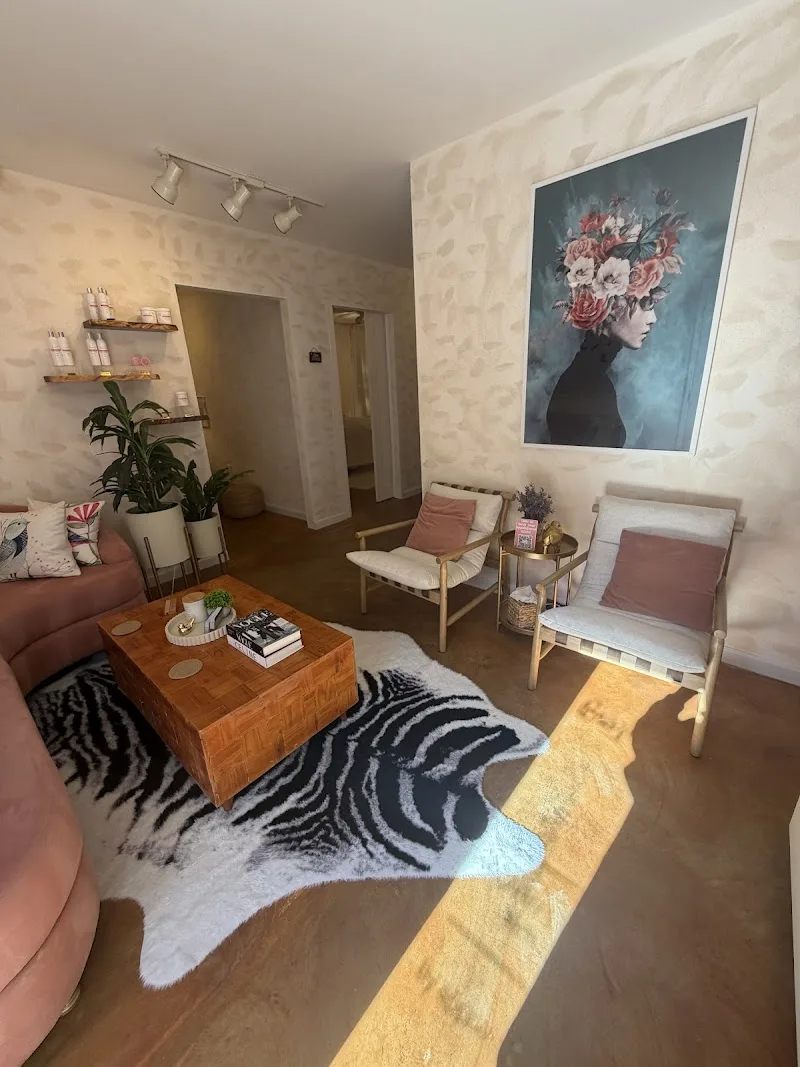
More studios in Austin · 11
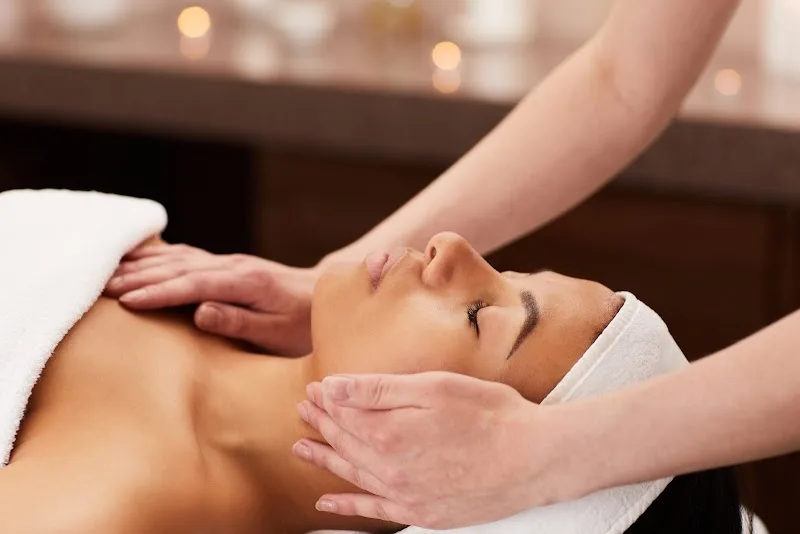

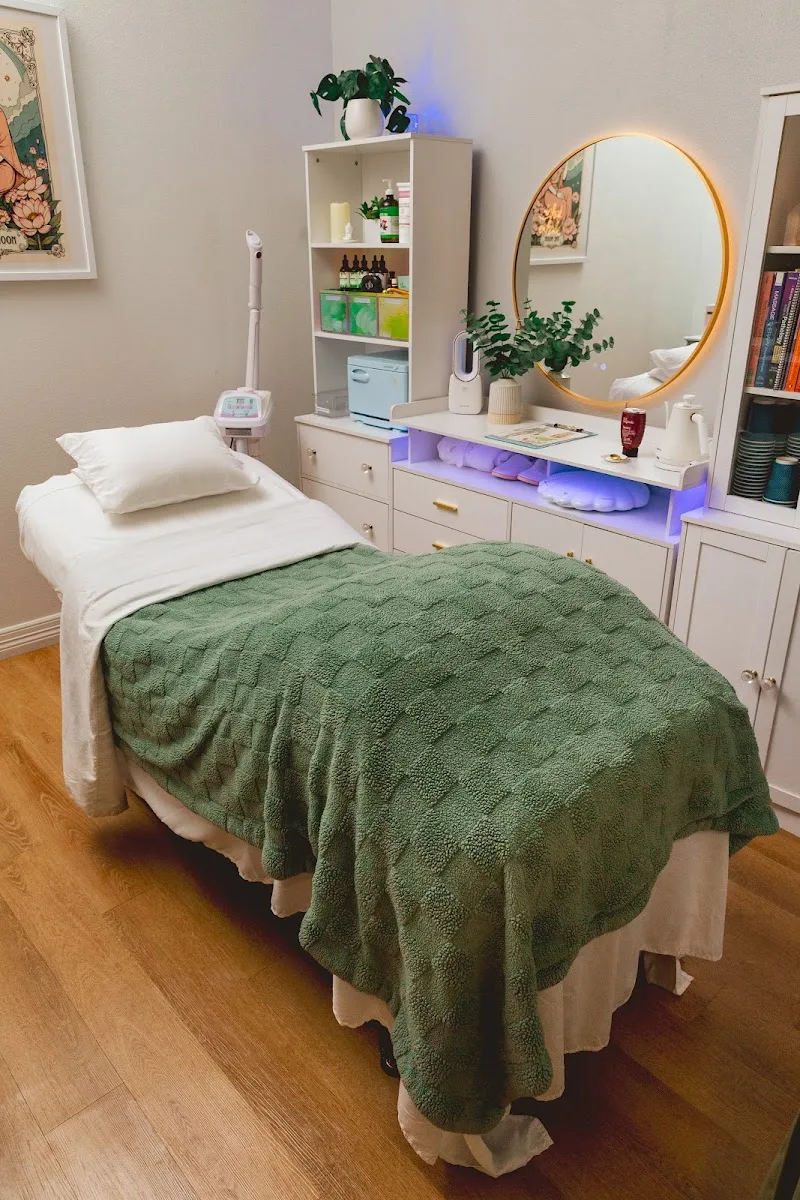
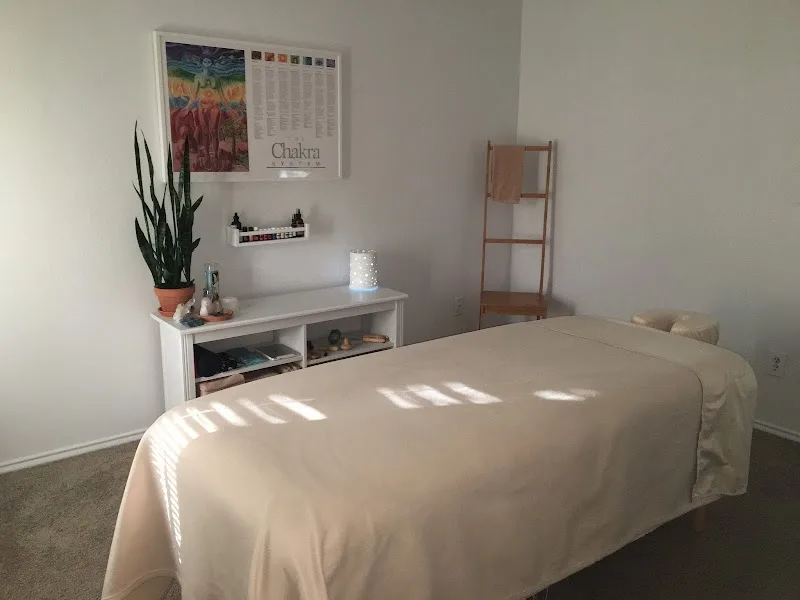
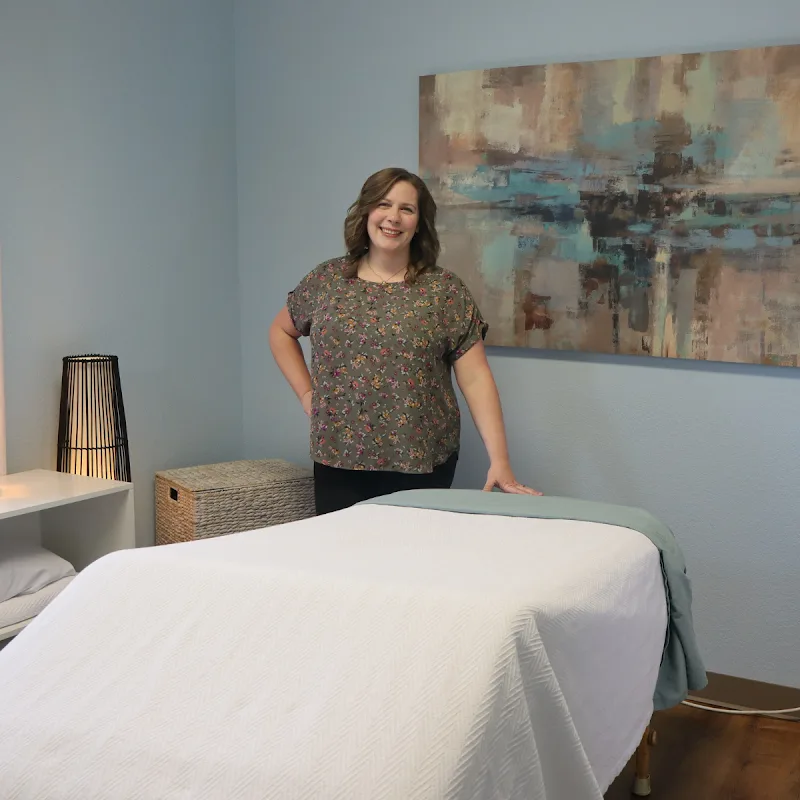

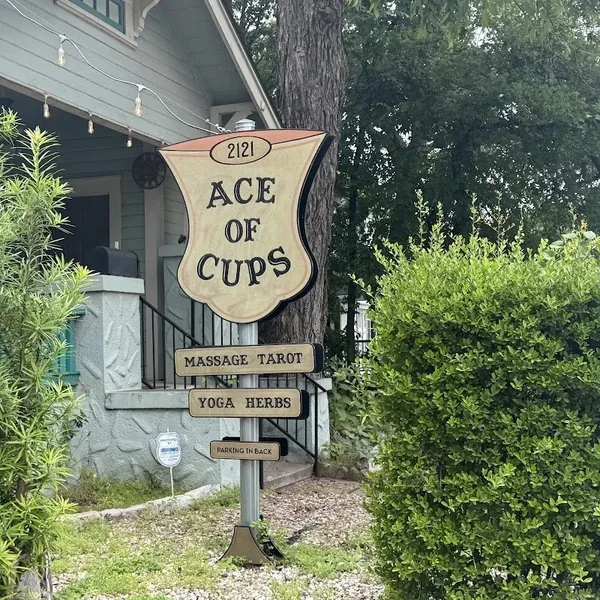

Austin counts 17 lymphatic drainage practitioners listed on LymphaticDrainageFinder, with an average Google rating of 4.9★ across 3,571 public reviews. 100% of these practitioners hold a 4.5★ rating or above — above the global market average of 35%. This is the editorial guide we wish we had when we started looking for lymphatic drainage in Austin.
Austin at a glanceThe scene in numbers
17 lymphatic drainage practitioners documented — 6 of them hold a Featured listing (Editor’s Pick program).
4.9★ average rating across 3,571 reviews. Median review count per practitioner is 145 — a useful signal for how established these practitioners are.
Rating distribution: 17 rated 4.5★ or above, 0 between 4.0 and 4.4★, and 0 below 4.0★. Always check recency of reviews before booking.
Top practitioners in AustinRanked by rating and review volume
2. Massage In
Editor's Pick
See full listing →
3. Sage Blossom Massage
Featured
See full listing →
4. Austin Lymphatic
5. Ace of Cups Massage and Wellness
Featured
See full listing →
6. Gingerly Touch Massage + Lymphatic
7. Lotus Lymphatic
Featured
See full listing →
8. MEGS MASSAGE THERAPY + LYMPHATIC
9. ROOTS Massage & Lymphatic
Featured
See full listing →
10. Align Massage + Lymphatics
Ranking combines public Google rating and review volume. See the full 17-practitioner list above.
Your guide to lymphatic drainage in AustinData-driven overview
Austin sits in the world's largest market for lymphatic drainage by volume, driven by massive demand from cosmetic surgery recovery (BBL, liposuction, tummy tuck) and celebrity-endorsed wellness culture. With 17 practitioners documented in our directory, Austin represents a mid-sized scene — enough range to find the right therapist whether you need medical-grade MLD for lymphedema, post-surgical recovery massage, or wellness-focused drainage for general wellbeing.
Quality signals are strong: 17 of 17 practitioners hold a 4.5★ rating or above. The average rating across all Austin practitioners is 4.9★, based on 3,571 public Google reviews. The median review count per practitioner is 145 — a useful proxy for how established each therapist is in the local market.
Review counts range from 31 to 761, with the middle 50% between 111 and 285 reviews. Practitioners with fewer than 15 reviews may be newer to the area or operate primarily through referrals rather than walk-in traffic. For post-surgical lymphatic drainage, prioritize therapists with specific post-op training (CLT, Vodder, or Leduc certification) over review volume alone.
Lymphatic drainage prices in AustinWhat to expect to pay
Based on publicly available price lists from Austin practitioners and United States-wide market data, here are typical 2026 pricing ranges:
| Session type | Price range |
|---|---|
| Single session (60 min) | $75–150 |
| Extended session (90 min) | $100–250 |
| 5-session package | $325–650 |
| Post-surgical specialist session | $100–200 |
Prices vary by practitioner credentials, session focus (medical vs aesthetic), and clinic type. CLT-certified or Vodder-trained therapists and hospital-affiliated practitioners typically charge at the upper end. Post-surgical sessions often cost more due to specialised training requirements. Always confirm current pricing directly — these ranges are market-level estimates.
Costs to ask about: whether your health insurance or extended benefits cover MLD (common for diagnosed lymphedema), package expiry windows, mobile/home-visit surcharges, and whether the initial consultation is included in the first session price.
How Austin compares across United StatesCross-city comparison
| City | Practitioners | Avg rating | Total reviews | 4.5★+ |
|---|---|---|---|---|
| Austin (this page) | 17 | 4.9★ | 3,571 | 17 |
| Atlanta | 14 | 5.0★ | 4,977 | 14 |
| Boston | 15 | 4.8★ | 4,596 | 15 |
| Chicago | 20 | 4.9★ | 4,563 | 20 |
| Dallas | 12 | 4.8★ | 5,224 | 12 |
Austin accounts for 7% of the 260 lymphatic drainage practitioners we track across United States. Chicago, Los Angeles, Miami, New York, San Francisco have a larger directory. Atlanta, Boston, Dallas, Denver, Houston, Las Vegas, Nashville, Scottsdale, Seattle have fewer listed practitioners. Practitioner count alone does not determine quality — for lymphatic drainage, credentials (CLT, Vodder, Leduc), post-op specialisation, and recent review quality matter more than directory size.
Lymphatic drainage in Austin — your questions answeredCity-specific FAQ
How much does lymphatic drainage cost in Austin?
A standard 60-minute lymphatic drainage session in Austin typically costs $75–150. Extended 90-minute sessions run $100–250. A 5-session package — common for post-surgical recovery protocols — costs $325–650. Specialist post-operative sessions (after liposuction, BBL, or tummy tuck) cost $100–200 due to the additional training required. Prices reflect the United States market as of 2026. For diagnosed lymphedema, check whether your insurance covers MLD — it is reimbursed in many healthcare systems.
How many lymphatic drainage sessions do I need after surgery in Austin?
Most plastic surgeons recommend 2–3 lymphatic drainage sessions per week for the first 2–4 weeks after procedures like liposuction, BBL, tummy tuck, or breast augmentation. A typical post-op protocol involves 6–12 sessions total, depending on the procedure and individual recovery. Published research (PMC4075221, PMC10045879) supports that manual lymphatic drainage is more effective than mechanical drainage for post-abdominoplasty recovery, reducing swelling, tissue fibrosis, and localised pain. In Austin, 17 practitioners are listed — look specifically for those advertising post-surgical experience or CLT credentials. Always obtain your surgeon's clearance before starting MLD, typically 48–72 hours post-procedure.
What is the difference between lymphatic drainage and deep tissue massage?
Lymphatic drainage (MLD) uses very light pressure — roughly 30–40 mmHg, the weight of a nickel on skin — in slow, rhythmic strokes that follow the lymphatic pathways toward lymph nodes. Deep tissue massage uses firm pressure to reach muscle fascia and break up adhesions. They serve different purposes: MLD reduces oedema, supports immune function, and aids post-surgical recovery; deep tissue addresses chronic muscle tension, knots, and pain. MLD should never hurt — if it does, the pressure is too high. If you need both, book them as separate sessions, not combined. Among the 17 practitioners in Austin, some offer both modalities — verify the therapist holds specific MLD training (Vodder, Leduc, or CLT certification), not just general massage qualifications.
How often should you get lymphatic drainage in Austin?
Frequency depends on your goal. For general wellness and fluid balance: once every 1–2 weeks is typical. For post-surgical recovery: 2–3 times per week for the first 2–4 weeks, then tapering. For diagnosed lymphedema: your CLT or physiotherapist will set an intensive schedule (often daily during initial decongestive therapy) before transitioning to maintenance. For facial lymphatic drainage (aesthetic): weekly sessions are common. Published evidence (PMC3819918) shows that even single MLD sessions can significantly reduce leg oedema in pregnancy. For chronic conditions, consistency matters more than intensity. The 17 practitioners in Austin can advise on a schedule tailored to your needs.
What are the side effects of lymphatic drainage massage?
MLD is one of the gentlest manual therapies available. Common short-term effects include: increased urination (the body processing mobilised fluid), mild fatigue, light-headedness, and occasionally a temporary headache — all normal and typically resolve within 24 hours. Serious side effects are rare when performed by a qualified therapist. However, MLD has absolute contraindications: active infection or fever, deep vein thrombosis (DVT), congestive heart failure, acute cellulitis, and kidney failure. Cancer patients should obtain oncologist clearance — published evidence (PMC4354455) shows no increased recurrence risk, but standard practice requires medical approval. Drink extra water after your session and avoid intense exercise for a few hours.
How does Austin compare to Los Angeles for lymphatic drainage?
Austin has 17 lymphatic drainage practitioners with an average rating of 4.9★ and 3,571 total reviews. Los Angeles has 23 practitioners with an average rating of 4.9★. With more practitioners, Los Angeles offers more choice — but therapist credentials and post-op specialisation matter more than directory size for lymphatic drainage. Browse both city directories to compare ratings, specialisations, and recent reviews.
Why lymphatic drainage in AustinEvidence-based benefits
Whether you are browsing Austin's 17 practitioners for post-surgical recovery, a diagnosed lymphatic condition, or general wellness, the published evidence supports several concrete benefits of professional MLD:
- Post-surgical recovery: Manual lymphatic drainage proved more effective than mechanical lymphatic drainage post-abdominoplasty, reducing swelling, tissue fibrosis, and local pain (PMC4075221). Surgeons commonly recommend 2–3 sessions per week for the first 2–4 weeks following body contouring procedures.
- Lymphedema management: A Cochrane review concluded that MLD is safe and may offer additional benefit to compression bandaging for swelling reduction in breast-cancer-related lymphedema. MLD is standard of care as part of Complete Decongestive Therapy (CDT) per NHS UK guidelines (PMC4966288).
- Pregnancy oedema: A published study (PMC3819918) found that MLD significantly reduced leg swelling in pregnant women during the day. The treatment is generally safe when performed by a trained prenatal therapist, though first-trimester caution is advised.
- Chronic venous insufficiency: An RCT demonstrated that a 4-week course of lower-leg MLD significantly improved symptoms including fatigue, heaviness, and pain.
- Migraine reduction: A 2025 RCT found that MLD reduced migraine days, decreased analgesic use, and improved overall well-being in chronic migraine patients.
What MLD does NOT do: There is no evidence that lymphatic drainage causes fat loss (temporary fluid loss is not weight loss — UCLA Health, Cleveland Clinic). Claims about "detoxification" are not supported by clinical evidence — a healthy lymphatic system functions without external assistance.
These findings apply regardless of where you practice — but access to qualified, credentialed therapists matters. Austin's 17 practitioners rated 4.5★+ out of 17 total give you a reasonable starting pool.
Sources: PMC4075221, PMC10045879, PMC4966288, PMC3819918, PMC4354455. See our medical disclaimer.
Before your visitPractical logistics for Austin
The lymphatic drainage practitioners scene in Austin is a growing scene — 17 practitioners documented with consistently high quality signals. For reference, the top-reviewed practitioner has 308 reviews. The logistics below apply across the lymphatic drainage practice worldwide, but local conventions in Austin may differ — always confirm specifics with the practitioner before booking.
What to wear
Bring loose, comfortable clothing for before and after. You will undress during the session — how much depends on the practitioner's style and the body areas being drained. Most therapists provide a gown or drape you with sheets.
Undressing and draping protocol
A trained lymphatic drainage therapist drapes you with a sheet so that only the specific area being worked is exposed. Full nudity is almost never required. If a practitioner doesn't offer draping, that is a red flag. You can always ask at intake what the undressing protocol is.
Arrival and intake
Arrive 10–15 minutes early for the first visit. The practitioner will take a brief health history (surgeries, medications, pregnancy, oncology history) — this is essential for your safety, not paperwork theatre.
During the session
Lymphatic drainage is light-pressure, not a deep-tissue massage. If the therapist presses hard, they are doing something else (possibly standard massage). The actual technique feels almost feather-light. Sessions run 45–90 minutes.
After the session
Drink water, rest if possible, use the bathroom (you will likely urinate more in the hours after). Avoid alcohol, heavy meals, and intense exercise for 24 hours. Mild fatigue is common and normal.
Payment and cancellation
Confirm rates and cancellation policy before booking. Most practitioners charge 50–100% for cancellations under 24 hours.
Questions nobody asksHonest answers for Austin
What is the position of medical organisations on lymphatic drainage during active cancer treatment?
Active untreated cancer is listed as a classical contraindication for general MLD because the modality increases lymph circulation. For patients during cancer treatment (chemotherapy, radiation), the American Cancer Society and oncology rehabilitation programmes describe specialised oncology-trained MLD therapists who work in coordination with the medical team — typically requiring written oncologist approval. The Cochrane evidence for post-treatment lymphedema management is strong; pre/during treatment requires medical guidance. (Source: American Cancer Society — Lymphedema.)
Is lymphatic drainage compatible with endometriosis?
Many people with endometriosis report reduced bloating and pelvic congestion after MLD sessions — a subjective benefit increasingly recognised by clinicians who treat the condition. Most protocols suggest avoiding sessions during acute flares with severe pain, and practitioners trained in pelvic floor or visceral work may offer more targeted approaches. Sharing your diagnosis with your therapist allows them to adapt pressure, positioning, and session timing relative to your cycle.
What is the Renata Franca method, and how does it differ from traditional MLD?
The Renata Franca method is a Brazilian lymphatic drainage technique developed in the 2010s that has gained significant international attention in 2025-2026, with notable visibility from celebrity practitioners and clients (Maya Jama among them). The technique differs from the classical Vodder MLD (Denmark, 1932), which uses pressure under ~30 mmHg and gentle pumping: the Renata Franca approach combines firmer pressure with sweeping movements and visible lymphatic mapping. Many clients report immediate contouring effects after the first session. Clinical research on long-term outcomes is still developing — for aesthetic and event-prep use, client testimonials are abundant and consistent. For medical lymphedema, classical Vodder protocols remain the documented standard.
What are the typical post-BBL or post-liposuction MLD protocols?
Surgical recovery protocols commonly recommend starting MLD between day 3 and day 5 post-procedure, after surgical clearance. The first two weeks typically involve short (30–45 min), gentle sessions at high frequency (3–5 per week); sessions lengthen and space out from week 3 onwards. Many cosmetic surgery clinics in Bogota, Miami, and Istanbul integrate MLD directly into their recovery packages. Always follow the specific protocol given by your surgeon — they will indicate timing, technique restrictions around incisions, and total session count.
What does current evidence say about lymphatic facial and gua sha techniques?
Lymphatic facial work and gua sha (documented in Traditional Chinese Medicine for centuries) stimulate superficial lymph flow in the face and neck. Clinical and dermatology observations support short-term reduction of facial puffiness, improved circulation, and an immediate sense of de-puffing — particularly useful before events or photoshoots. Long-term anti-aging claims are less documented in peer-reviewed literature; most practitioners frame it as a complementary routine alongside skincare. Gentle pressure is recommended to avoid breaking facial capillaries.
How do at-home tools (gua sha, rollers, vibration plates) compare to professional sessions?
At-home tools are widely used as complement to professional sessions — supporting daily maintenance, mindfulness routines, and skin care rituals. Clinical research focuses on professional sessions where a trained practitioner maps lymphatic pathways and applies calibrated pressure for 60+ minutes. Vibration plates have emerging research on general circulation. The combination (professional sessions + daily at-home routine) is the approach most often recommended by wellness practitioners themselves.
Who should wait or get cleared firstContraindications
Absolute contraindications
Active infection or fever, untreated deep vein thrombosis, acute kidney or heart failure, unstable cardiovascular disease. Consult your physician before any lymphatic work if you have these conditions.
Requires medical clearance
Active cancer treatment (get oncologist clearance — lymphatic drainage is widely used for oncology patients but needs specialist training), recent surgery (under 2–4 weeks), pregnancy first trimester, uncontrolled hypertension. (Source: PubMed on MLD contraindications.)
Lymphedema and chronic conditions
Chronic lymphedema treatment is a specialized field (CDT — Complete Decongestive Therapy). Book with a certified lymphedema therapist, not a general spa. (Source: Lymphology Association of North America.)
Pregnancy-specific
Second and third trimesters: yes with a prenatal-trained therapist. Avoid deep abdominal work after 20 weeks. Always consult your obstetrician first.
Disclaimer
This list is informational and not exhaustive. Consult a licensed healthcare professional who knows your medical history. See our medical disclaimer.
Red flags before you bookQuality signals in Austin
No sheet draping or undressing protocol
Trained practitioners always drape. If you are asked to undress fully with no sheet offered, walk out. This is both an ethical and a professional competence red flag.
No intake form or health history
Lymphatic drainage has real contraindications (DVT, active cancer, acute infection). A practitioner who doesn't ask about your health is skipping the basic safety check.
Deep pressure or pain
If the pressure is heavy or painful, it is not lymphatic drainage. It may be deep-tissue massage sold under a different name. Either is fine — but you should know what you are paying for.
The Austin takeawayWhat the data tells us
The Austin lymphatic drainage landscape has 17 documented practitioners. The most-reviewed is Austin Lymphatic with 308 public reviews — a useful proxy for how established a practitioner is in the local scene. With 100% of practitioners rated 4.5★ or above, Austin sits on the high-quality end of the global lymphatic drainage directory. As always, a first visit is about information-gathering: ask about credentials, class formats, and session structure before committing to a multi-session pack.
For Austin practitioner owners
Run a lymphatic drainage practitioner in Austin?
Featured listings appear at the top of this Austin guide — above the general directory. Transparent pricing, monthly plan, no commission on bookings.
Spotted an error?Help us keep Austin accurate
If you see a listing that's out of date — a closed studio, a stale phone number, a wrong address — email us at [email protected] with the subject [CORRECTION] Austin — studio name. We correct within 48 hours for factual updates and within 7 business days for listing removals.
Wellness in Austin
Spa & wellness experiences in Austin.
Spa days, wellness retreats and recovery experiences.
Affiliate · powered by GetYourGuide. We may earn a small commission at no cost to you.
For practitioner owners
Own a practitioner? Get listed at the top.
Direct link to your website. Gold badge on your card. Editor's Choice rotation. No commissions — ever.
See Featured plans →From €99/mo · Cancel anytime
Learn moreGuides
NearbyOther cities
Own a practitioner?Get Featured →